View the gallery below for a detailed look at the interface design, video production, and instructional assets delivered for this module.
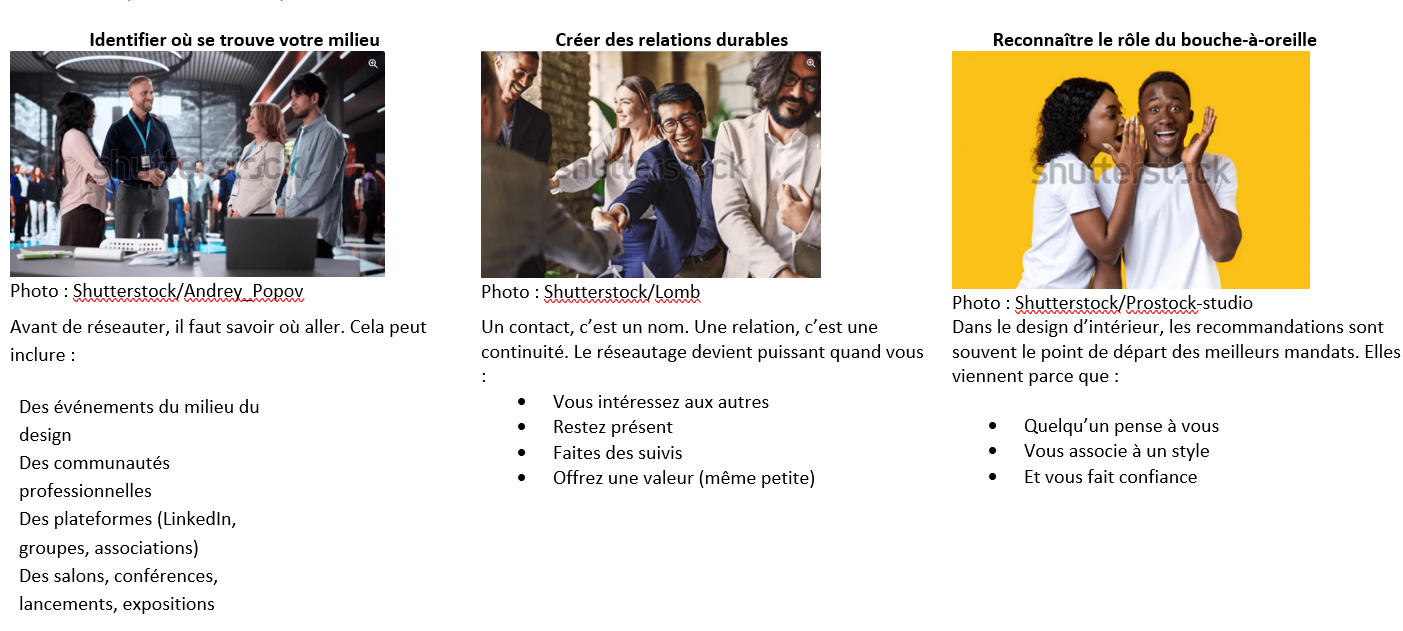
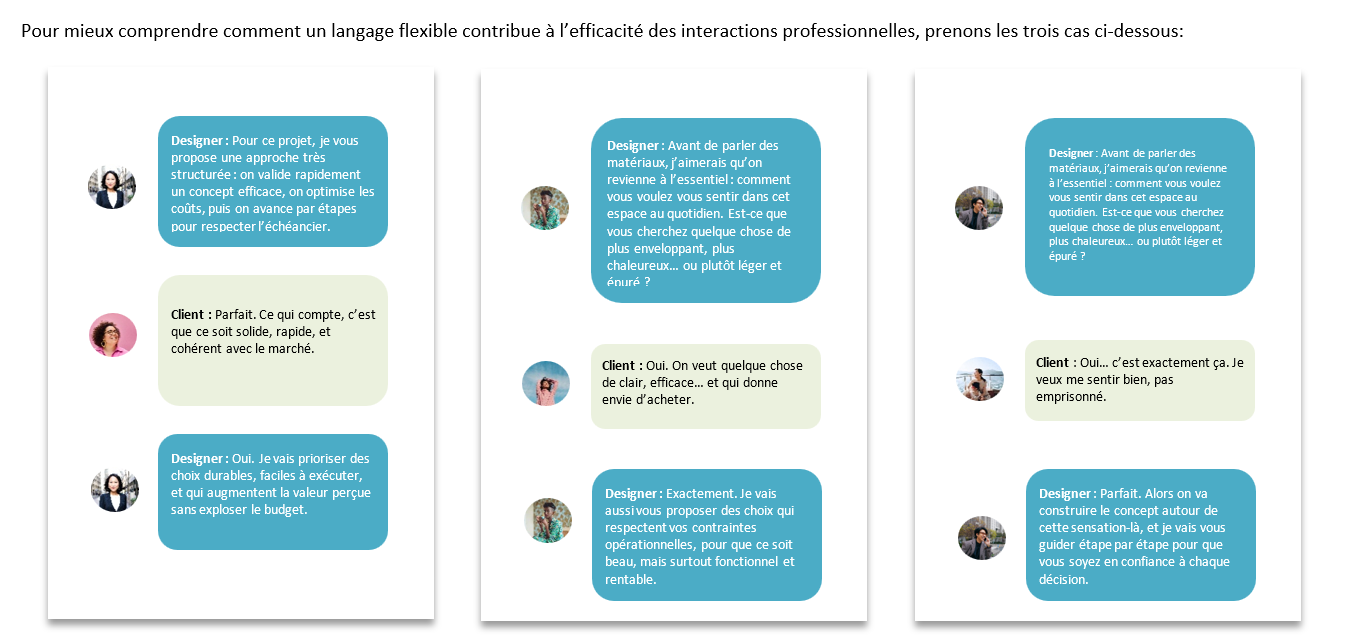
The three-column layout using a parallel visual structure to create a pedagogical flow that moves the learner from environmental scanning to relationship building.
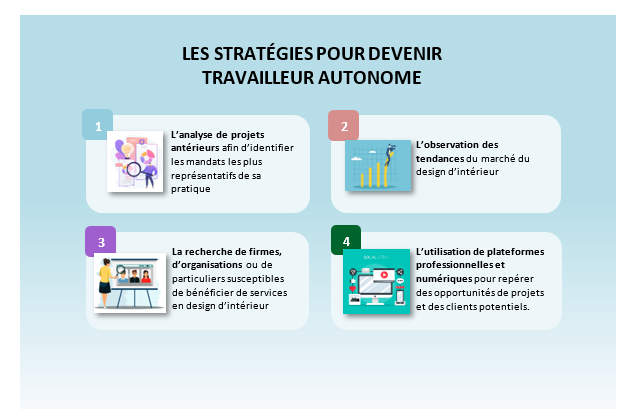
Scaffolded progression was structured through visual summaries and infographics, supporting sustained engagement, retention, and curiosity.
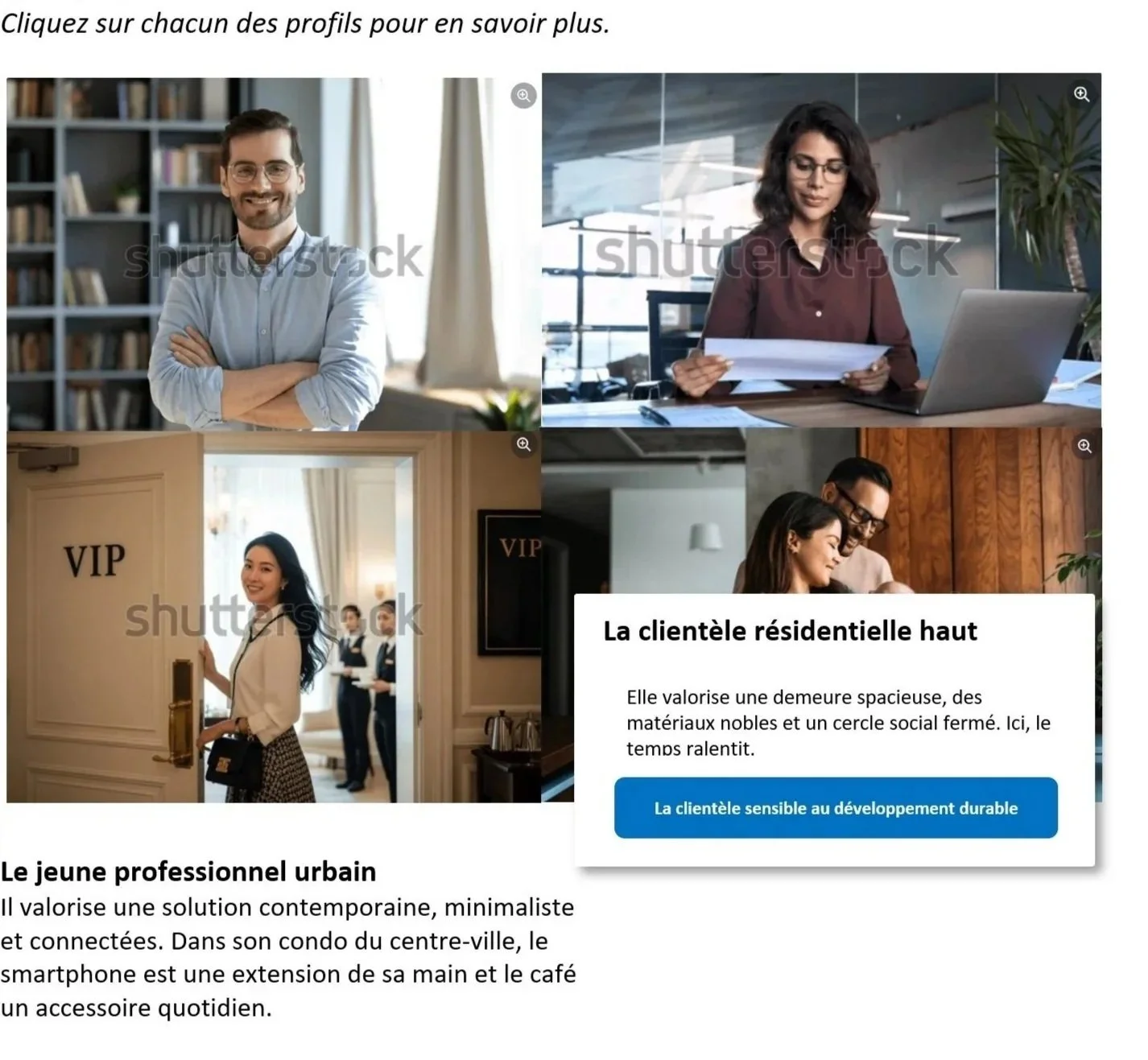
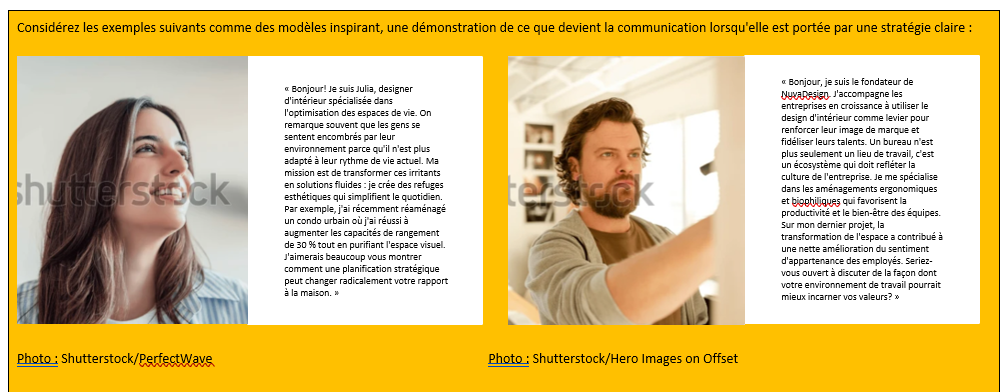
Case-based personas with high-contrast yellow background and side-by-side layout guide the learners from abstract theory to authentic professional storytelling.
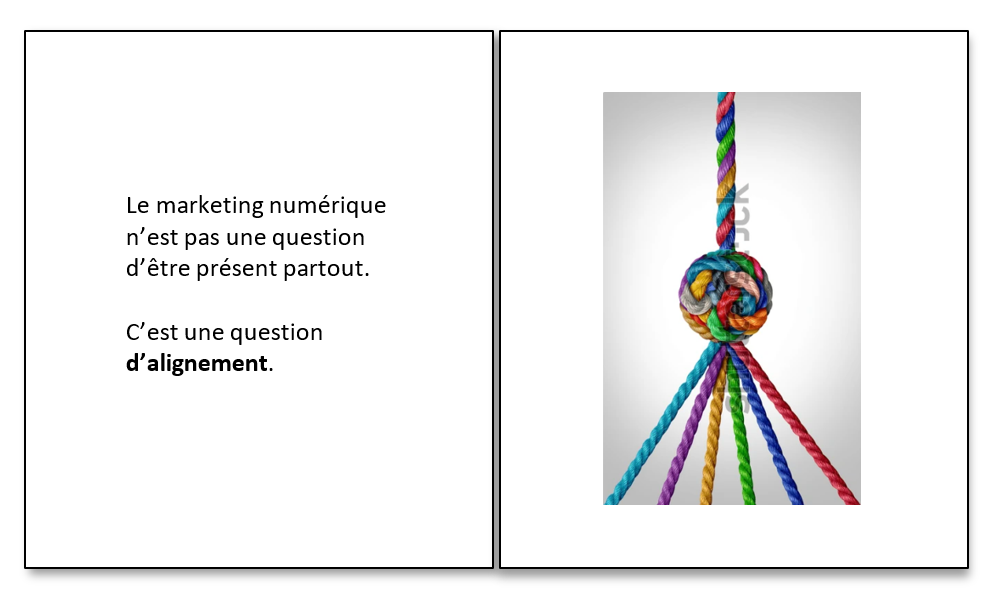
Metaphorical imagery and concise pedagogical messaging to challenge the misconception that digital marketing requires a universal presence. Pairing the converging ropes with the concept of alignment facilitates a "cognitive hook" that helps learners prioritize strategic focus.
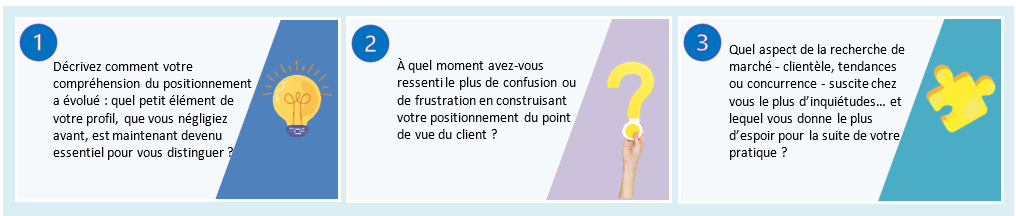
Reflective prompts to operationalize the "Reflection" phase of the PEARR model, helping learners to articulate how their thinking has changed rather than just what they have learned.
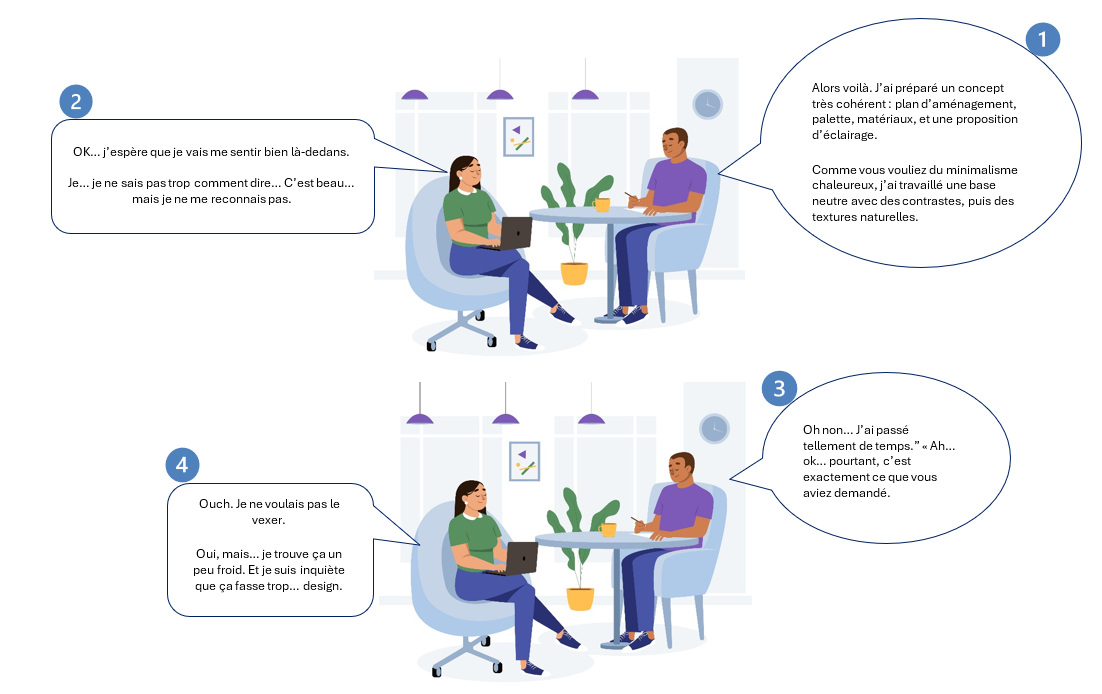
A two-part narrative simulation, visualizing the friction between technical creative output and client emotional resonance. Using a numbered sequence and contrasting speech bubbles helps learners identify where professional communication breaks down despite meeting technical requirements.
This hotspot activity immerses learners in the process of client segmentation by pairing diverse professional personas with specific behavioural triggers.
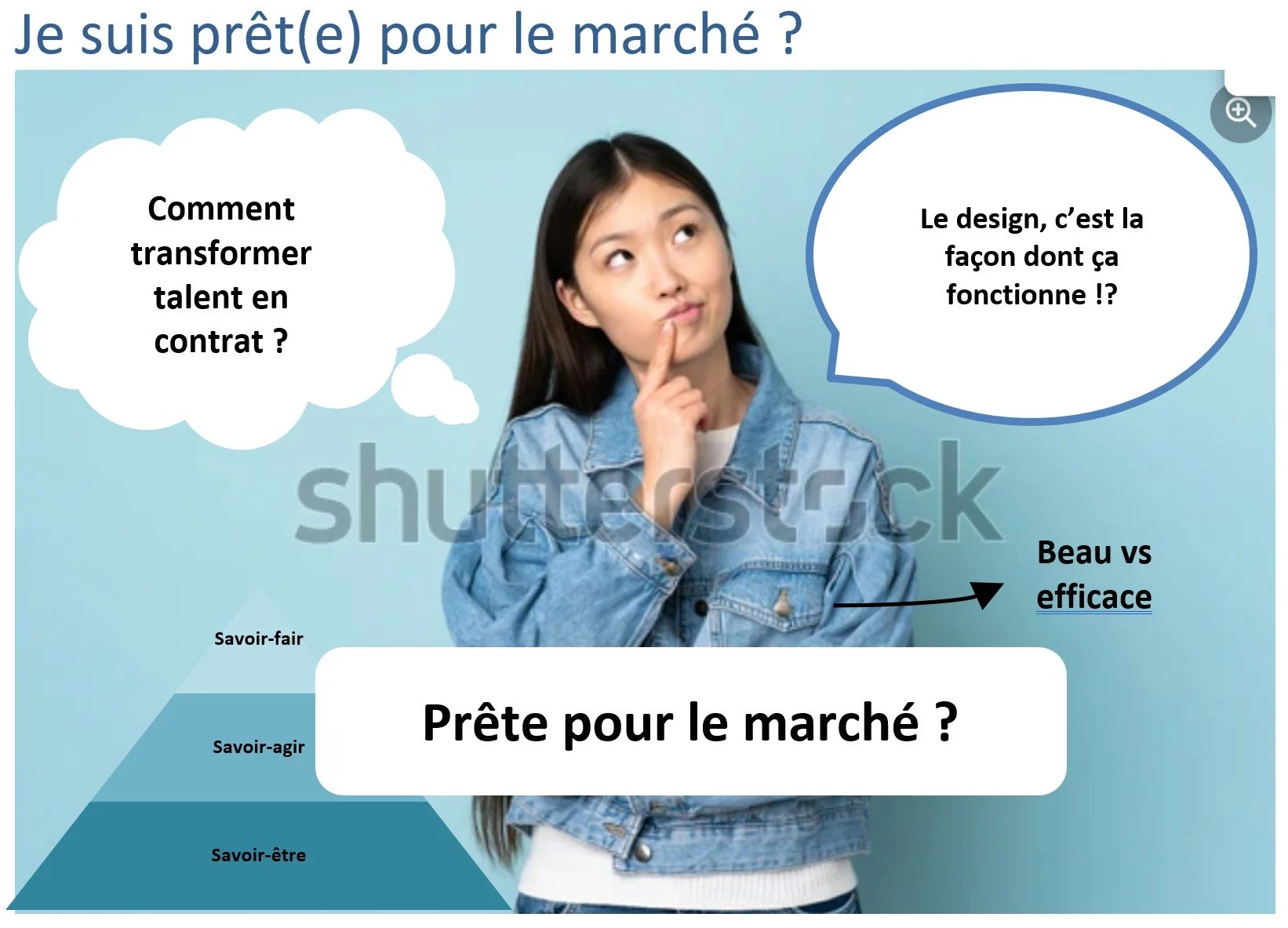
A minimalist layout that reduces cognitive load and ensures focus on pedagogical objectives.
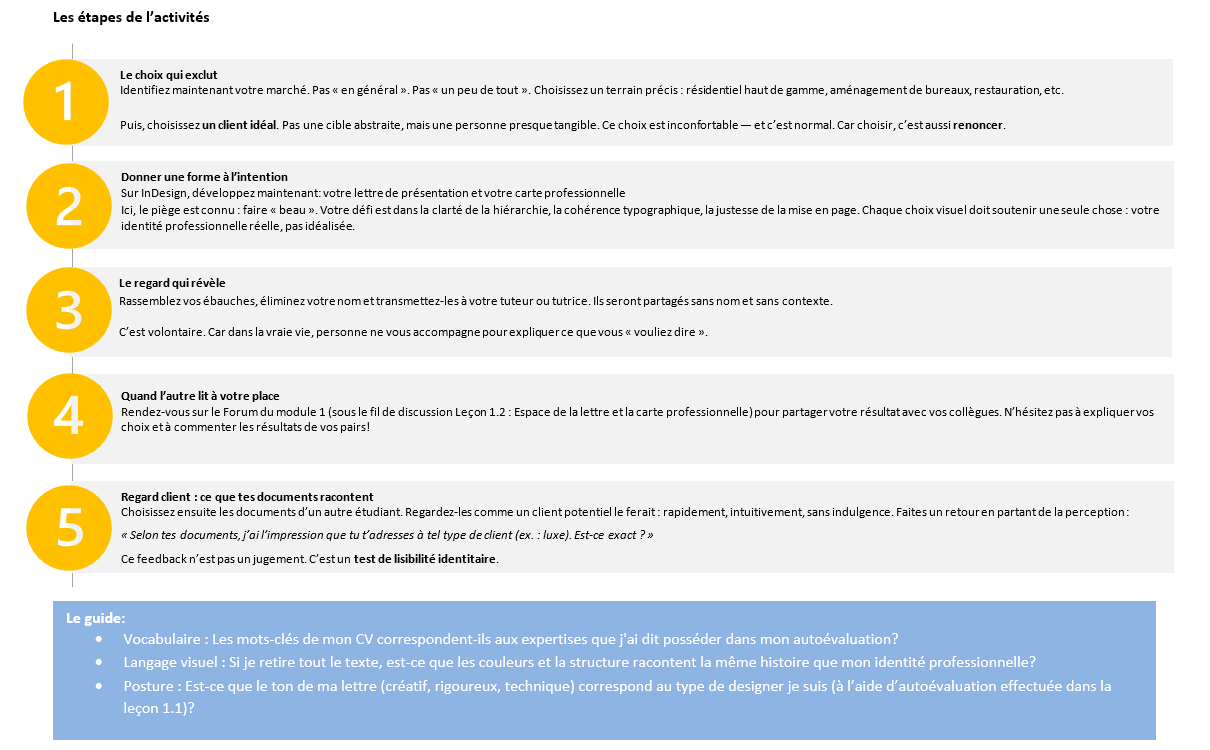
4-pillar infographic with distinct color-coding and icons, ensuring that complex market analysis tasks were presented as a manageable, step-by-step professional strategy.
These comparative dialogue scripts model how "linguistic flexibility" directly impacts the efficacy of client interactions in interior design. This visual layout allows students to analyze the "cause and effect" of professional speech, reinforcing the idea that successful design is as much about communication as it is about technical execution.
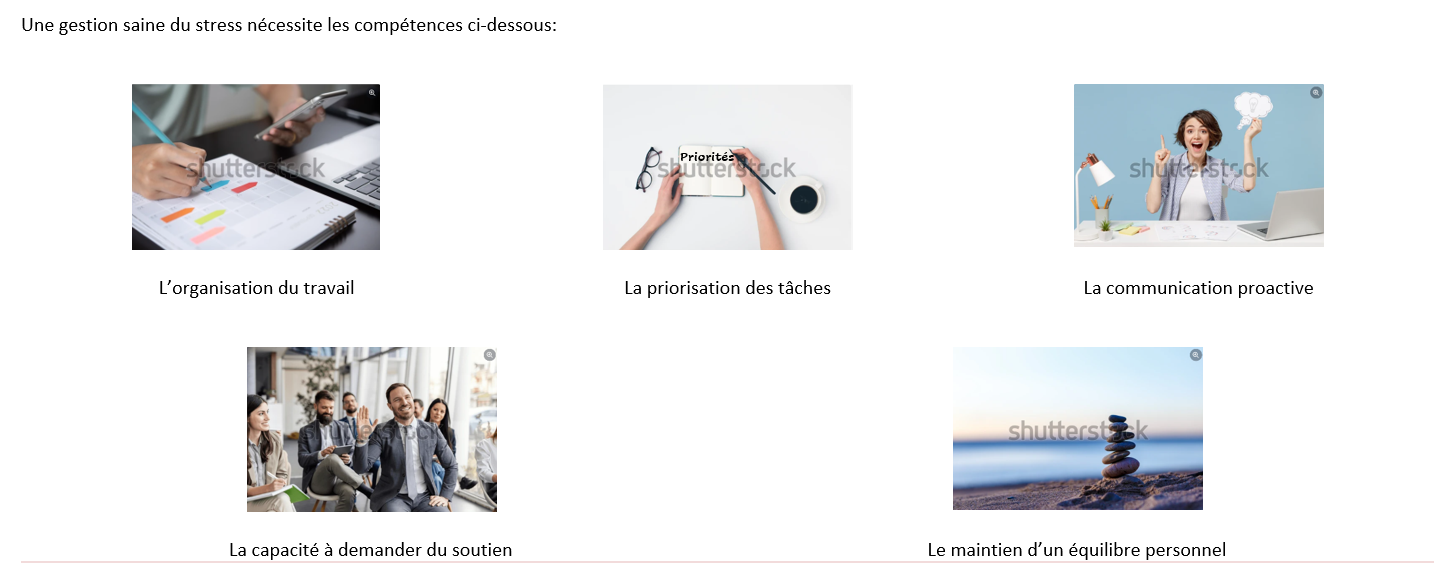
This five-pillar visual utilizes a balanced, non-linear layout with symbolic imagery, creating a "cognitive map" that guides learners from logistical skills (organization and prioritization) to interpersonal and emotional resilience (communication, support, and balance).