How to Lead Under-Achieving Teams
For this project, the goal was to create a functional, clean, and high-impact visual guide to team remediation. The production in After Effects prioritized clear information architecture over decorative animation to ensure the "Five Key Questions" remained the focal point.
• Iconographic Minimalism: Using a restricted blue-and-white color palette, I developed a library of custom vector icons. These icons serve as "visual anchors," transforming abstract concepts like "Team Purpose" and "Performance Measures" into recognizable, concrete symbols that reduce cognitive strain.
• Kinetic Typography for Emphasis: Subtle scale-and-fade transitions were applied to key headings to draw the eye without distracting from the primary audio narration. This ensures that the most critical pedagogical "takeaways" are highlighted through movement.
The Learning Experience Perspective
From a learning design view, the use of a "checklist" style layout (as seen in the final summary slide) appeals to the learner's need for actionable steps. It moves the content from a theoretical discussion into a practical toolkit.
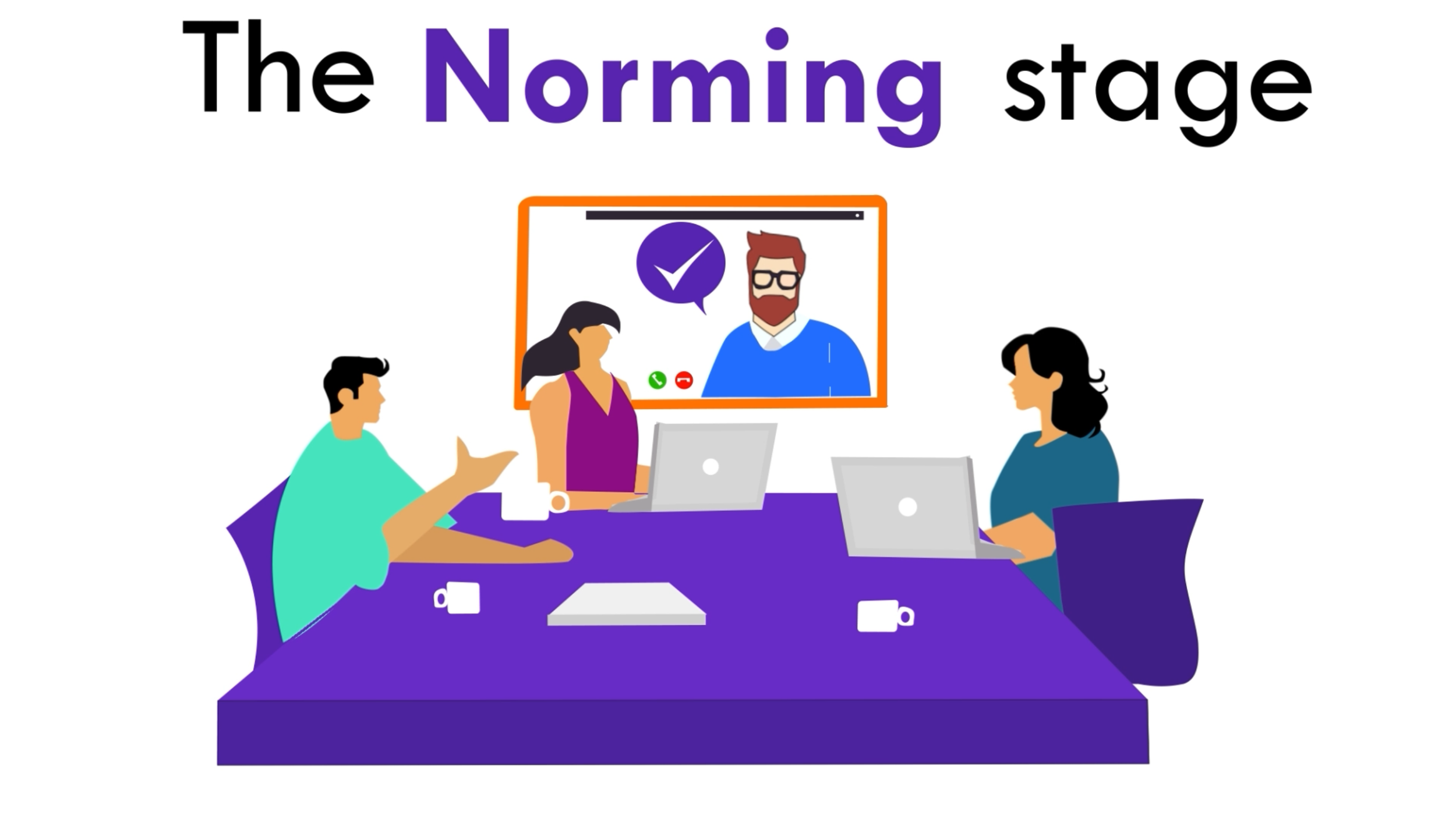
Also, the recurring circular "table" motif illustrates the concept of inclusivity and shared responsibility. By placing the questions "above" the team, the design suggests that these are shared challenges the group must solve together.